The Anatomy of a Custom Drapery Panel

Custom draperies aren’t just panels of fabric on a rod—they’re a carefully designed accessory. Every detail and fold plays a role in how your drapery looks, functions, and lasts over time.
Here’s what goes into a truly custom drapery panel:
Fabric Selection
Fabric determines everything from light control to drape and durability. Whether sheer, textured, or blackout-lined, the right fabric is chosen for both beauty and performance. We can help you pick the fabric that will match best with your style and goals.
Header & Pleats
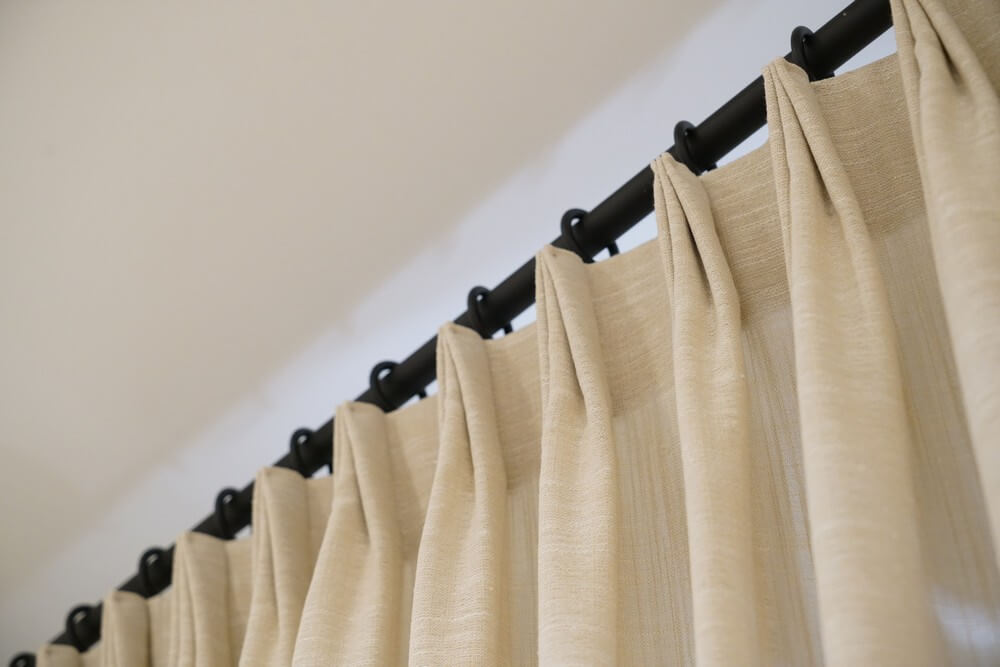
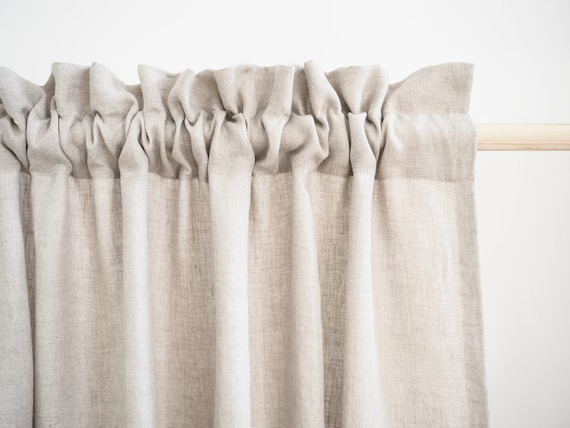
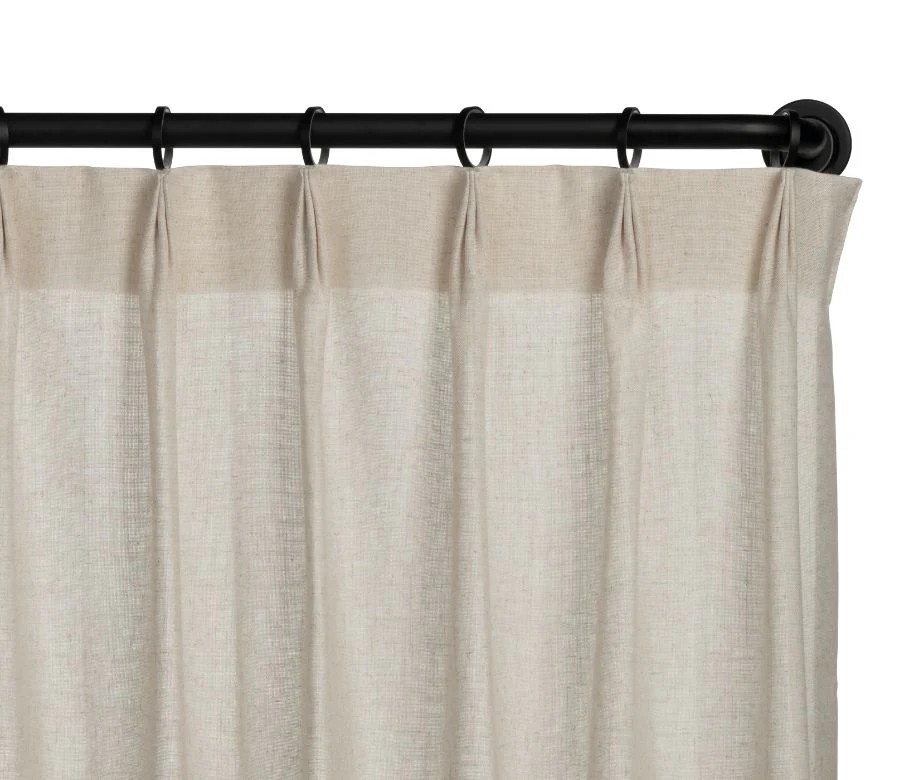
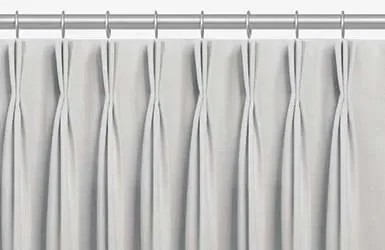
The header style (pinch pleat, ripple fold, goblet, etc.) defines the overall look. Pleat style affects fullness, movement, and how the drapery stacks when open.
Lining vs Interlining
- Lining improves light control and protects the fabric
- Interlining adds fullness, insulation, and a luxury weight
These layers dramatically impact both appearance and longevity.

Hem & Weight
A proper hem gives the drapery structure and ensures it hangs correctly. Weighted hems help panels fall smoothly and consistently.
Hardware & Mounting
Rods, rings, tracks, and brackets are selected to support the fabric properly and complement the room’s design. Function and aesthetics go hand in hand, and the small details can make a huge difference in appearance.
Why hardware matters: Custom drapery panels are designed as a complete system. Every component works together to create a finished, high-end result that looks effortless.